Which books should you read to learn Spanish?
Read books that are short and use few different words for their level. In our table of 20 free Spanish books the easiest by vocabulary are Romancero gitano (C1, 5,332 words), Libro de poemas (C1, 15,045 words) and Abel Sánchez: Una historia de pasión (B2, 29,562 words). Every book below is in the public domain, rated A2–C2 by our team, and measured: words, different words and how many word forms cover 95% of the text.
Spanish books by level
20 free books, easiest first
 Lecturas fáciles con ejercicios
 Cuentos de amor, de locura y de muerte
 Abel Sánchez: Una historia de pasión
 Fábulas literarias
 Niebla (Nivola)
 El árbol de la ciencia
 Pepita Jiménez
 Dafnis y Cloe; Leyendas del antiguo Oriente
 Cuentos de amor
 Mare nostrum
 Los pazos de Ulloa
 Doña Perfecta
 Romancero gitano
 Libro de poemas
 Del sentimiento trágico de la vida
 Novelas ejemplares
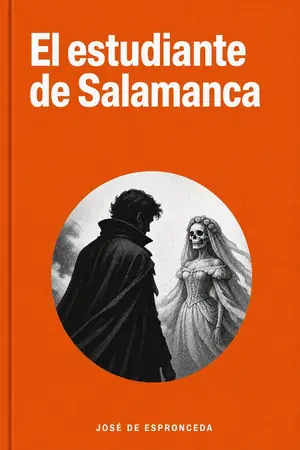 El estudiante de Salamanca
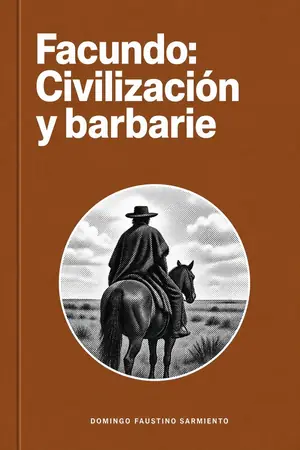 Facundo: Civilización y barbarie
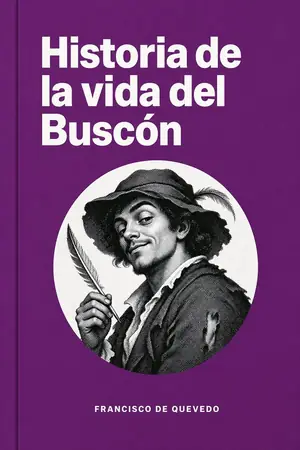 Historia de la vida del Buscón
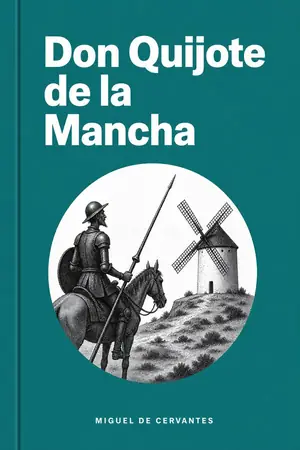 Don Quijote de la Mancha
Short stories translated into Spanish
73 free stories from VOA Learning English, easiest first
 Un suceso en el puente sobre el río Owl
 Un trozo de percal rojo
 Después de veinte años
 Un jinete en el cielo
 El romance de un corredor de bolsa
 Encender una hoguera
 El diablo y Tom Walker
 Cerdos son cerdos
 Feathertop
 ¿La dama o el tigre?
 Los proscritos de Poker Flat
 La formación de una nación: Thomas Jefferson
 Bartleby
 Keesh
 La línea de menor resistencia
 La formación de una nación: Andrew Jackson
At A1 and A2, books written for learners come first: see Spanish graded readers and free graded readers by level, and when to move on to original books.
Spanish books for A2 learners 1 books
| Book | Form | Words | Forms for 95% | Reading time |
|---|---|---|---|---|
Lecturas fáciles con ejerciciosLawrence A. Wilkins | reader for learners | 61,857 | 8,869 | 5–10 h |
Spanish books for B1 learners 1 books
| Book | Form | Words | Forms for 95% | Reading time |
|---|---|---|---|---|
Cuentos de amor, de locura y de muerteHoracio Quiroga | short stories | 49,907 | 5,691 | 4–8.5 h |
Spanish books for B2 learners 10 books
| Book | Form | Words | Forms for 95% | Reading time |
|---|---|---|---|---|
Abel Sánchez: Una historia de pasiónMiguel de Unamuno | novel | 29,562 | 3,202 | 2.5–5 h |
Fábulas literariasTomás de Iriarte | fables in verse | 14,714 | 3,224 | 1–2.5 h |
Niebla (Nivola)Miguel de Unamuno | novel | 57,384 | 4,706 | 5–9.5 h |
El árbol de la cienciaPío Baroja | novel | 63,334 | 5,908 | 5.5–11 h |
Pepita JiménezJuan Valera | novel | 56,657 | 6,606 | 4.5–9.5 h |
Dafnis y Cloe; Leyendas del antiguo OrienteJuan Valera | novel and legends | 77,281 | 8,705 | 6.5–13 h |
Cuentos de amorEmilia Pardo Bazán | short stories | 64,095 | 9,287 | 5.5–11 h |
Mare nostrumVicente Blasco Ibáñez | novel | 144,898 | 10,270 | 12–24 h |
Los pazos de UlloaEmilia Pardo Bazán | novel | 83,819 | 10,840 | 7–14 h |
Doña PerfectaBenito Pérez Galdós | novel | 113,704 | 15,160 | 9.5–19 h |
Spanish books for C1 learners 6 books
| Book | Form | Words | Forms for 95% | Reading time |
|---|---|---|---|---|
Romancero gitanoFederico García Lorca | poetry | 5,332 | 1,477 | 27–53 min |
Libro de poemasFederico García Lorca | poetry | 15,045 | 2,656 | 1.5–2.5 h |
Del sentimiento trágico de la vidaMiguel de Unamuno | philosophy | 100,338 | 6,495 | 8.5–17 h |
Novelas ejemplaresMiguel de Cervantes | novellas | 188,535 | 6,913 | 16–31 h |
El estudiante de SalamancaJosé de Espronceda | narrative poem | 48,386 | 8,578 | 4–8 h |
Facundo: Civilización y barbarieDomingo Faustino Sarmiento | non-fiction | 101,153 | 8,673 | 8.5–17 h |
Spanish books for C2 learners 2 books
| Book | Form | Words | Forms for 95% | Reading time |
|---|---|---|---|---|
Historia de la vida del BuscónFrancisco de Quevedo | novel | 42,981 | 5,023 | 3.5–7 h |
Don Quijote de la ManchaMiguel de Cervantes | novel | 383,633 | 7,929 | 32–64 h |
How were the levels and numbers worked out?
Levels were set by hand by our team when each book was added to the ReadLingua library; they are a judgement, not a formula. Words, different word forms and the forms needed for 95% of the text were counted by a script from the text of each edition, without title pages and licences. The method is explained in Free books by CEFR level and on the About page, and the full table is free to reuse as a CSV file.